If you've ever finished mopping your floors only to notice they still look dull or streaky, you're not alone. The culprit is often not your effort—it's your mop. The debate between a flat mop and bucket system and the traditional string mop has been heating up as more homeowners look for smarter, faster ways to clean. So which one actually cleans better?
Let's break it down honestly.
What Is a Flat Mop and Bucket System?
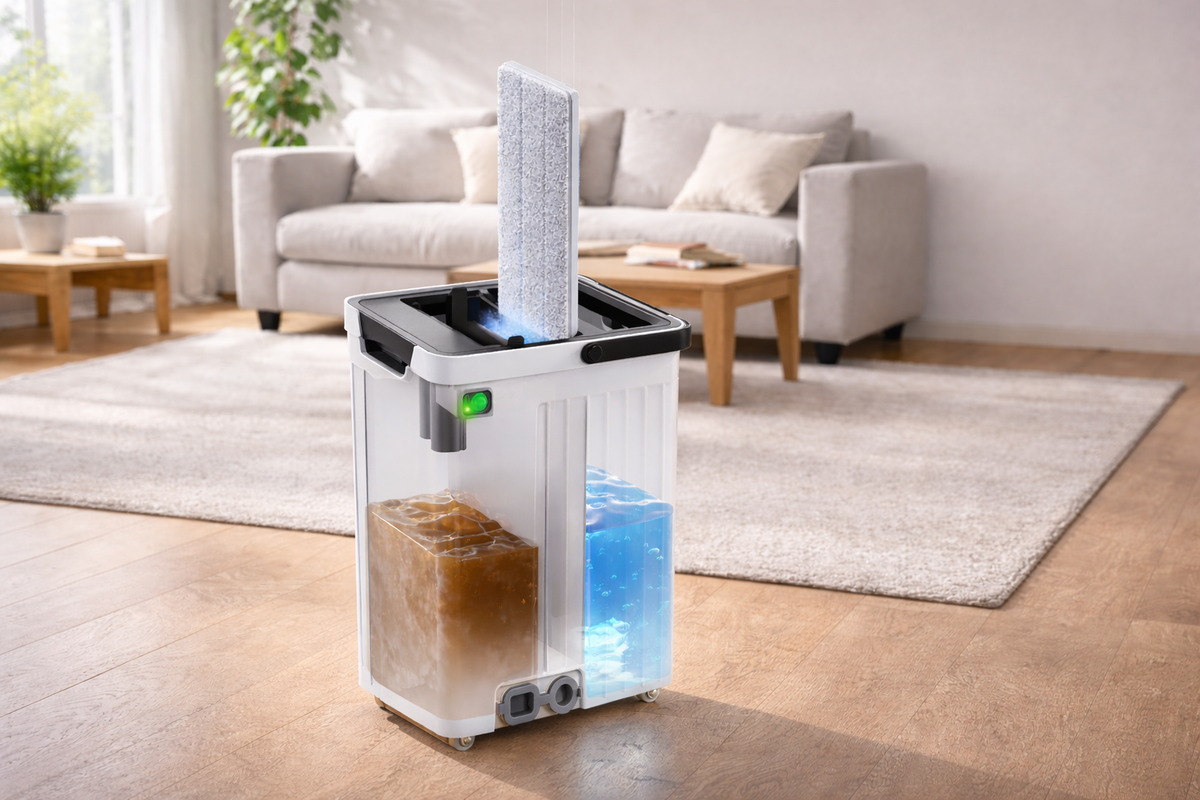
A flat mop and bucket system is a modern cleaning setup that pairs a flat-head mop with a specially designed bucket. Unlike old-school mops, these systems are engineered to work together—the bucket often features separate compartments for clean and dirty water, a wringer or scraper built in, and sometimes even an electric pump for automatic rinsing.
The flat mop head typically uses microfiber pads that attach via velcro or clips, making them easy to swap out or toss into the washing machine after use.
Popular for both residential and commercial settings, flat mop systems have become the go-to choice for anyone who wants a more hygienic, efficient clean.
What Is a Traditional Mop?
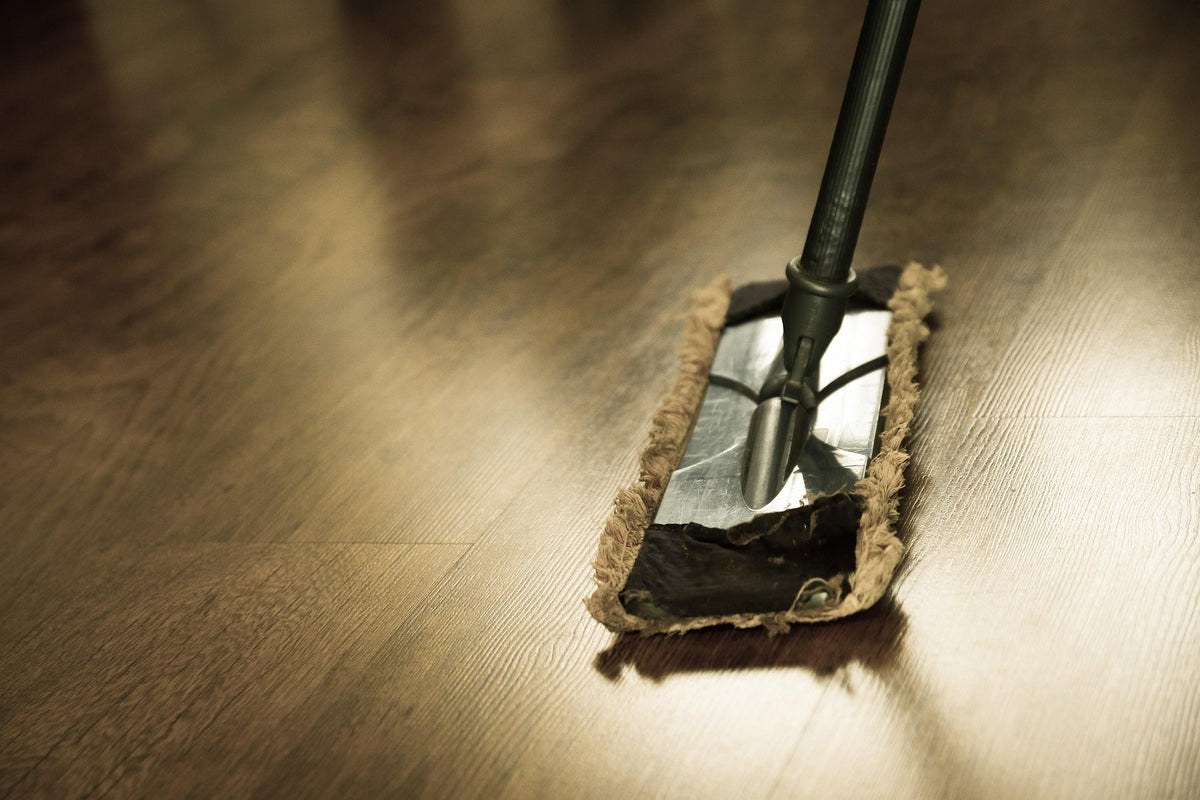
The traditional mop—typically a string mop or sponge mop paired with a single open bucket—has been a household staple for decades. You soak the mop, wring it out (usually with a hand press or a bucket-mounted wringer), and push the water across the floor.
Simple. Familiar. But increasingly outdated.
Key Differences: Flat Mop and Bucket System vs Traditional Mop

1. Water Hygiene: Clean Water vs Dirty Water Reuse
This is arguably the biggest difference between the two.
With a traditional mop, every time you rinse, you're dipping your mop back into the same water you just used to pick up dirt, grease, and bacteria. By the time you're halfway through your home, you're essentially spreading dirty water across your floors.
A flat mop and bucket system with dual-tank technology keeps clean and dirty water completely separated. Your mop is always rinsed with fresh water, which means every pass across the floor is genuinely clean—not just visually clean.
Winner: Flat mop and bucket system
2. Cleaning Efficiency: How Much Can You Clean Before Changing Water?
With a traditional mop and single bucket, most households need to change the water multiple times during a cleaning session—especially in larger homes. This adds time, effort, and water waste.
Modern flat mop bucket systems with larger tank capacities (some holding up to 6L per compartment) can cover 1,000+ square feet on a single fill. That means you clean your entire home without stopping to refill or empty the bucket mid-session.
Winner: Flat mop and bucket system
3. Floor Coverage and Versatility
Traditional string mops work well on open floor space, but they struggle with edges, corners, under-furniture gaps, and vertical surfaces like baseboards or lower cabinet faces.
Flat mops have a distinct advantage here. Their low-profile head slides easily under sofas, beds, and appliances. Many flat mop heads also articulate or pivot at multiple angles, letting you clean along walls, in tight corners, and even on walls or windows without switching tools.
Compatible surfaces typically include hardwood, tile, stone, laminate, vinyl, and more—making flat mops genuinely all-floor capable.
Winner: Flat mop and bucket system
4. Hygiene After Cleaning
Think about where your traditional mop ends up after cleaning. Most string mops are left damp, bunched up, and sitting in a corner—a perfect breeding ground for mold and bacteria. The mop itself can become a source of odor and contamination over time.
Flat mop microfiber pads are machine washable. After each use, you remove the pad, throw it in the wash, and the mop head itself dries quickly and cleanly. There's no buildup, no smell, and no cross-contamination between cleaning sessions.
Winner: Flat mop and bucket system
5. Physical Effort
Wringing out a heavy string mop repeatedly is genuinely tiring—especially during longer cleaning sessions. Traditional wringers require significant hand and wrist force, and heavy mop heads mean more resistance as you push across the floor.
Flat mops are lightweight by design. The mop head stays consistently flat against the floor, gliding smoothly rather than dragging. Some advanced bucket systems even include an electric pump for automatic mop rinsing, eliminating the need for manual wringing entirely. No pressing, no pumping—just place the mop into the rinse chamber and the system handles the rest.
Winner: Flat mop and bucket system
6. Storage and Portability
A traditional mop and bucket are bulky. The round bucket takes up significant floor space, and the mop head—often wide or floppy—doesn't store neatly.
Flat mop bucket systems are typically slim and upright, designed to fit beside a washing machine, inside a closet, or in a narrow utility space. Many include built-in wheels so you can roll the bucket from room to room even when it's full, without lifting or dragging.
Winner: Flat mop and bucket system
7. Upfront Cost
Here's the one area where traditional mops still hold an advantage: price. A string mop and basic bucket can cost as little as $10–$20. A quality flat mop and bucket system with dual tanks, electric rinsing, and washable pads is a larger initial investment.
However, when you factor in the cost of replacement mop heads, extra cleaning solution (because you're not reusing dirty water), and the time spent on less efficient cleaning—the flat mop system often pays for itself fairly quickly.
Winner: Traditional mop (on upfront cost only)
Who Should Use a Flat Mop and Bucket System?

A flat mop and bucket system is the better choice for:
- Homeowners with larger floor areas who want to clean efficiently without multiple water changes
- Allergy or hygiene-conscious households where cross-contamination matters
- Homes with mixed flooring types — hardwood, tile, laminate, and stone
- Anyone with joint pain or fatigue who benefits from lightweight, low-effort equipment
- Busy households that want cleaning done faster and more thoroughly
A traditional mop may still work fine for very small spaces or very occasional spot-cleaning, but for regular whole-home maintenance, it simply can't match the flat mop system on most meaningful metrics.
What to Look for in a Flat Mop and Bucket System
Not all flat mop systems are created equal. Here's what separates a great system from a mediocre one:
Dual-tank dirty water separation — The single most important feature. If the system doesn't separate clean from dirty water, you're not getting the core benefit.
Automatic or electric rinsing — Manual foot pedals are better than nothing, but electric pump systems deliver stronger, more consistent water flow with zero physical effort.
Adjustable mop handle length — Multiple extension rods let you customize reach for different tasks and user heights.
Pivoting mop head — The more angles the head can reach, the more surfaces and spaces you can clean.
Machine-washable pads — Reusable microfiber pads reduce waste and cost, and they clean better than disposables.
Bottom wheels and drain plug — Mobility matters when the bucket is full, and a drain plug makes emptying clean and easy.
Final Verdict
When it comes to cleaning results, hygiene, convenience, and long-term value, the flat mop and bucket system wins on nearly every front. The traditional mop may have nostalgia on its side, but modern flooring, busier lifestyles, and higher hygiene standards have made it the lesser choice for most households.
If you're still using a string mop and single bucket, there's a good chance your floors aren't as clean as you think—and your cleaning sessions are taking longer than they need to.
The upgrade is worth it.
Frequently Asked Questions
Is a flat mop better than a traditional mop?
For most homes, yes. Flat mops with dual-bucket systems clean more hygienically, cover more area per fill, and require less physical effort than traditional string mops.
What floors can I use a flat mop on?
Most flat mops are compatible with hardwood, tile, laminate, stone, and vinyl floors. Always check the manufacturer's guidance for sealed vs. unsealed surfaces.
How do I clean the mop pads?
Most microfiber mop pads are machine washable. Wash without fabric softener to maintain the microfiber's cleaning effectiveness.
Can flat mops reach under furniture?
Yes—this is one of their key advantages. The low-profile flat head slides easily under sofas, beds, and appliances where traditional mops can't reach.
How long does a single bucket fill last?
With a dual 6L tank system, most users can clean 1,000+ square feet on one fill, enough to cover a full home without stopping to change water.