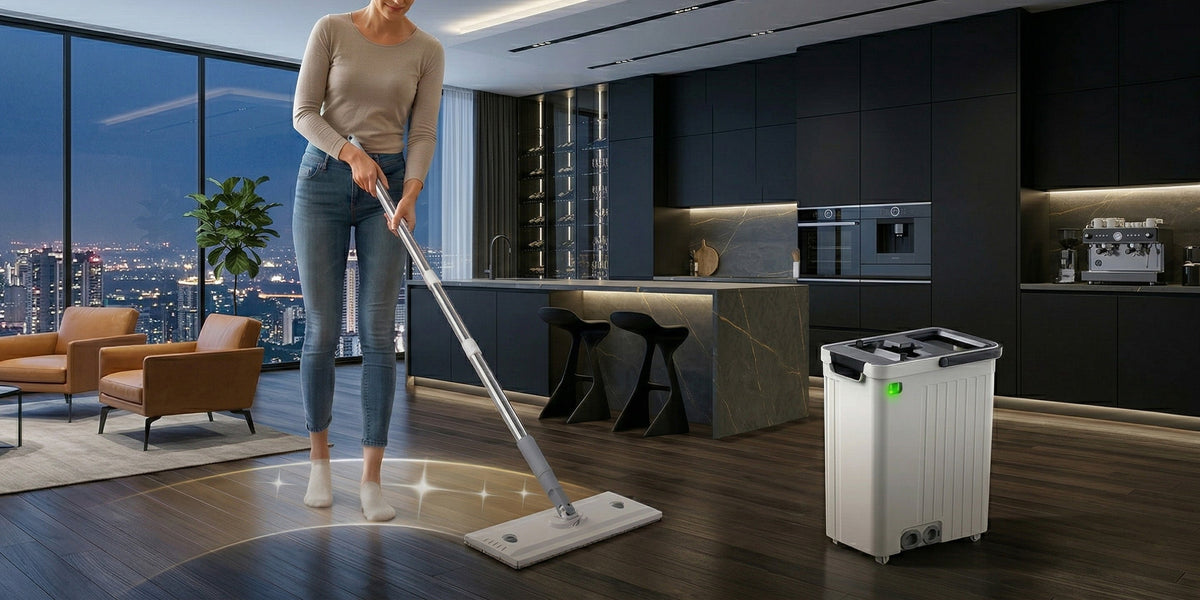
Carpet Cleaner: Practical Steam Cleaner Guide for Fast, Safe Deep Cleaning
If you’re searching for a carpet cleaner that saves time and still delivers a real deep clean, a modern steam cleaner is one of the most practical options. If you are comparing models, start from our Steam Cleaner collection.
Compared with many traditional systems, newer steam cleaner designs heat quickly, reduce setup friction, and help you clean multiple surfaces with one device. In this guide, you’ll learn when to use steam, how to clean carpets safely, and what to look for if you want faster, more reliable results.
Why More Homes Are Switching to Steam for Carpet Cleaning
A lot of people start with chemical-heavy carpet products, then realize they need a process that is:
- Faster to start
- Easier to control
- Better for frequent spot cleaning
- Flexible enough for more than just carpets
A quality steam cleaner can support all four goals.
Speed matters for real-life cleaning
When spills happen, waiting several minutes for heat-up often means the mess spreads or sets deeper. A faster-heating unit makes daily cleanup easier to do immediately.
Multi-surface cleaning improves value
Beyond rugs and carpets, steam can help with grout lines, bathroom edges, kitchen grease zones, and other high-touch areas. That means one machine can cover more cleaning tasks.
Steam Cleaner vs Traditional Carpet Cleaner Methods
People often compare a steam cleaner with shampoo-style carpet cleaner machines. The best choice depends on your cleaning goal.
Choose steam cleaner when you want:
- Quick spot and maintenance cleaning
- Less chemical dependency
- Better precision for corners and edges
- One tool for carpet + hard surfaces
Choose heavy extraction machines when you need:
- Full-room restoration after major soiling
- Maximum liquid extraction in one pass
For most weekly home routines, a steam-first workflow is usually more practical, then deep extraction can be occasional.
How to Use a Steam Cleaner on Carpet (Step by Step)
Step 1 — Prep the area
- Vacuum loose debris first
- Move small furniture
- Spot-test an inconspicuous corner
Step 2 — Start with controlled steam passes
- Keep the nozzle moving steadily
- Use overlapping strokes (about 20–30% overlap)
- Don’t saturate one point too long
Step 3 — Focus on high-traffic paths
Treat entrances, sofa edges, and pet zones first. These areas show visible gain fastest.
Step 4 — Finish with airflow
Open windows or run fans to speed drying and prevent odor retention.
Safety and Performance Tips for Better Results
Use the right attachment for the surface
Brush/nozzle selection affects both cleaning efficiency and fabric protection.
Prefer stable steam output over short burst power
Consistent output tends to clean more evenly and helps avoid patchy results.
Refill and monitoring should be simple
A clear tank and convenient refill design reduce downtime during full-home cleaning sessions.
Buying Checklist: What to Look for in a Carpet Cleaner Steam Setup
Use this checklist if you are comparing options. You can also review our Steam Cleaner Buying Guide and Steam Cleaner Safety Tips while selecting a model.
Heat-up speed (faster startup = better daily usability)
Stable steam control (comfortable long-session handling)
Tank design safety (clear water visibility + safer structure)
Cord reach and mobility (less outlet switching)
Attachment practicality (carpet + grout + bathroom + kitchen)
If you also clean tile, grout, and kitchen grease regularly, prioritize versatility rather than single-surface claims.
Conclusion
For most households, the best carpet cleaner workflow is not just about raw cleaning power—it’s about speed, consistency, and ease of repeat use.
A well-designed steam cleaner helps you clean faster, maintain better hygiene across multiple surfaces, and keep routine cleaning realistic for daily life.